Less-Mess Mealtimes: 3-Piece Silicone Baby Set
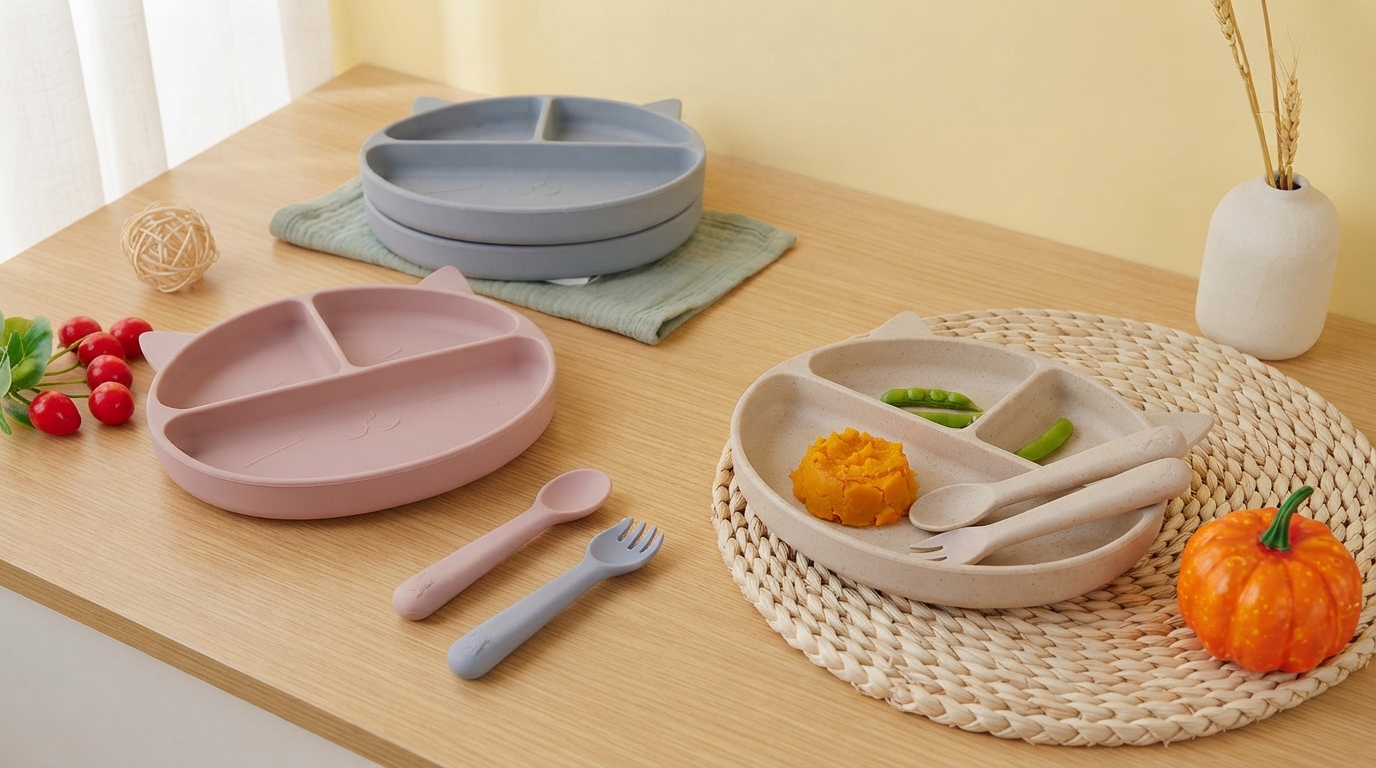
3-Piece Silicone Baby Dinnerware Set for Easy, Less Messy Mealtimes
A simple dinnerware set can make early self-feeding less stressful: fewer slips, easier scooping, and faster cleanup. This 3-piece silicone set is designed for everyday baby and toddler meals, from first purées to finger foods. Whether mealtime is happening at the high chair, the kitchen table, or on the go, a streamlined setup helps keep routines steady while little ones practice new skills.
What’s Included in the 3-Piece Set
A well-chosen “starter trio” covers the basics without cluttering your cabinet or your countertop. This 3-piece silicone baby dinnerware set focuses on the pieces most families reach for multiple times a day: a main dish for food, a sip-friendly option for drinks, and a simple utensil or easy-grip component to support early handling (exact components may vary by listing).
- Core mealtime pieces that cover most daily feeding needs (meal + sips + easy handling).
- Sized for babies and toddlers transitioning from assisted feeding to self-feeding.
- Silicone construction intended to be gentle on gums and small hands.
For parents who prefer fewer parts, a 3-piece set is a practical middle ground—enough to build a routine, without the extra bowls and accessories that can complicate cleanup.
Why Silicone Works Well for Babies and Toddlers
Silicone is popular in baby feeding because it’s flexible, quiet, and generally more forgiving than rigid materials during the “drop-test” phase of learning. When kids are mastering scooping and bringing food to their mouths, the right material can reduce the frustration that comes from sliding dishes and loud clatters.
- Grippy, flexible material helps reduce sliding and clattering compared with harder materials.
- More forgiving when dropped—helpful during high-chair learning stages.
- Comfortable edges for little mouths and hands during early practice.
If you’re building a feeding setup, it also helps to check basic food-contact guidance for materials and labeling. The U.S. FDA provides an overview of food contact substances used in food packaging and related items (FDA: Food Contact Substances).
A Practical Fit for Self-Feeding Routines
Early self-feeding is a mix of curiosity, skill-building, and mess. A simple set can support that learning curve by making food easier to reach and easier to manage—especially when attention spans are short and hungry moods are big.
- Supports common milestones: scooping, pinching finger foods, and drinking practice.
- Helpful for portioning a meal into manageable amounts without overwhelming the tray.
- Pairs well with high-chair schedules: breakfast, snack, lunch, and dinner rotation with quick resets.
For families starting solids, it’s useful to align feeding tools with readiness and safe eating basics. For general guidance on introducing solids, see the American Academy of Pediatrics resource on starting solid foods (AAP HealthyChildren.org: Starting Solid Foods) and the CDC’s infant and toddler nutrition hub (CDC Infant and Toddler Nutrition).
Quick Care and Cleanup Tips
Silicone is designed to be easy to wash, but a few small habits can keep it looking and smelling fresh—especially when you’re serving colorful foods like tomato sauce, sweet potato, curry, or berries.
- Rinse soon after use to reduce staining from strongly colored foods (tomato, carrot, berries).
- Use mild, fragrance-free soap when possible; avoid harsh abrasives that can dull the surface.
- Allow pieces to dry fully before stacking to keep storage fresh.
Everyday Care Checklist
| Task | When to do it | Why it helps |
|---|---|---|
| Quick rinse | Right after meals | Prevents stubborn residue and odors |
| Wash with mild soap | Daily | Maintains clean surface without harsh buildup |
| Air-dry completely | After washing | Helps prevent trapped moisture in storage |
| Inspect for wear | Weekly | Catches damage before it becomes a safety issue |
Safety and Material Considerations to Look For
Good tools support safer habits, but supervision and regular checks matter just as much—especially when babies are new to textures and sipping.
- Use age-appropriate pieces and supervise mealtimes, especially during early chewing and sipping stages.
- Check that any silicone dinnerware used for kids is labeled food-grade and follows applicable safety guidance.
- Replace items that show tearing, deep cracks, or persistent odors that don’t resolve after thorough cleaning.
As skills grow, keep portions manageable and offer foods in developmentally appropriate sizes and textures. If gagging, coughing, or chewing struggles persist, consider checking in with a pediatrician for individualized guidance.
When a 3-Piece Set Is the Right Choice
Product Details and Where to Buy
If you’re ready to set up simpler, less chaotic meals, the 3-Piece Silicone Baby Dinnerware Set is currently available.
- Product: 3-Piece Silicone Baby Dinnerware Set
- Price: $22.51 (USD)
- Availability: In stock
- Use the product page for current stock, images, and any updated specifications.
More in-stock picks that pair well with family routines
- Wooden Toy Refrigerator Play Kitchen Set with Accessories for Kids (great for pretend-play “snack time” and kitchen routines)
- 10.1” WiFi Digital Photo Frame (a thoughtful way to share baby milestones with family)
FAQ
Is silicone dinnerware safe for babies?
Food-grade silicone is commonly used for baby feeding items, but it’s still important to follow the manufacturer’s care and use instructions and supervise meals. Replace any pieces that become torn, cracked, or degraded over time.
How do you remove stains or smells from silicone baby bowls and cups?
Rinse soon after meals, wash with mild soap, and let items dry completely before storing. For lingering odors, a short soak with baking soda and warm water can help, and some strongly colored foods may temporarily discolor silicone even when it’s clean.
At what age can a baby start using a dinnerware set like this?
Many babies begin using feeding sets around the time they start solids (often around 6 months), depending on readiness signs and pediatric guidance. As self-feeding skills grow, these pieces can continue to be useful through toddlerhood.








Leave a comment