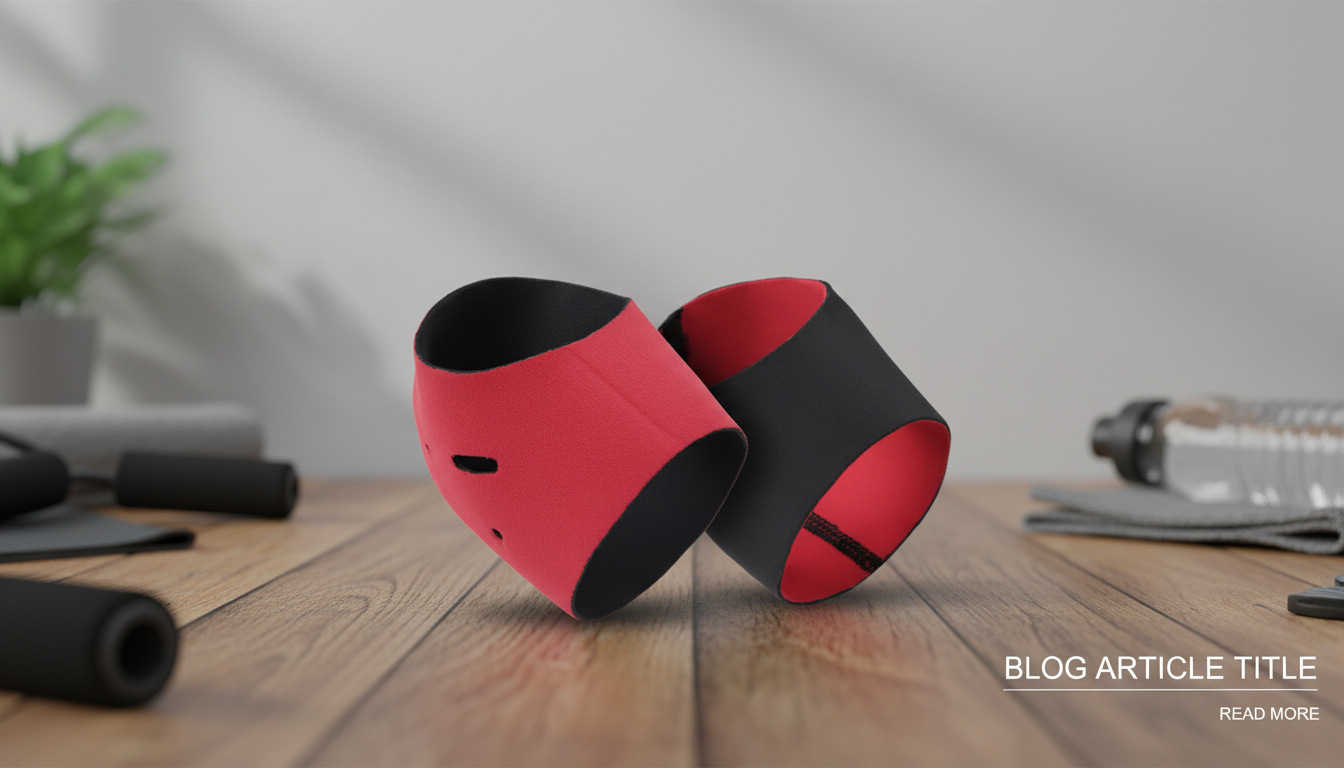
Heel discomfort can make simple routines—standing at work, walking the dog, getting out of bed—feel unnecessarily difficult. Heel protector sleeves add targeted cushioning and reduce rubbing at the back and underside of the heel, helping many people stay more comfortable in shoes or at home while they address the underlying cause of pain.
The heel takes a steady beating every time your foot hits the ground, and small issues can add up fast. A few common reasons heels start feeling tender include:
For background on common causes and warning signs, see the Mayo Clinic overview of plantar fasciitis and the NHS guide to heel pain.
Heel sleeves are a comfort accessory, not a diagnosis or a cure. Their value is simple: they change the contact between your heel and your shoe (or the ground) so the area feels less irritated during daily life.
A little trial-and-error goes a long way. The goal is cushion and protection—never numbness or a “tourniquet” feel.
| Option | Best for | Potential drawbacks |
|---|---|---|
| Protector sleeves | Reducing rubbing and adding all-around heel cushioning | May feel tight or bulky in narrow shoes |
| Gel heel cups | Extra cushioning under the heel for impact | Can shift inside the shoe; may crowd the toe box |
| Supportive insoles | Arch support and overall foot alignment | Not focused on heel friction; needs correct sizing |
| Moleskin/blister patches | Hot spots and blister prevention | Short-lived; may peel with sweat |
If you’re also dealing with suspected plantar fasciitis or bone spur irritation, the AAOS patient guide outlines common conservative approaches worth discussing with a professional.
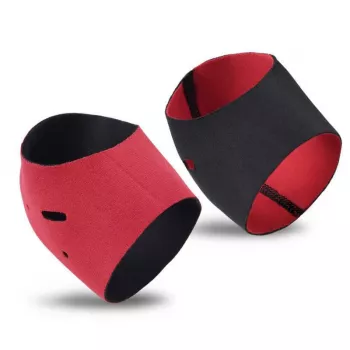
2Pcs Heel Pain Relief Protector Sleeves are a simple, low-cost comfort accessory intended to cushion the heel and reduce rubbing inside shoes. The two-piece set makes it easy to use on both feet or keep a spare ready for travel or work. For many routines—commuting, standing shifts, errands, and daily walking—this type of sleeve can make shoes feel less harsh on the heel while you work on longer-term fixes like stretching, better shoe support, and gradual activity adjustments. Current pricing and details are listed on the product page.
They may help by adding cushioning and reducing irritation during walking, but plantar fasciitis often improves most with stretching, supportive footwear or insoles, and load management. If symptoms persist or worsen, medical guidance can help confirm the cause and rule out other issues.
Some people can, but comfort depends on shoe space, the sleeve’s thickness, and your skin sensitivity. Start with shorter wear periods, and stop if you notice tightness, numbness, or increased pressure.
Heel sleeves typically cushion and protect around the heel (including areas that rub), while gel heel cups focus mainly on under-heel impact absorption. Gel cups can feel bulkier or shift in some shoes, whereas sleeves often feel more secure if the shoe has enough room.








Leave a comment